To Infinity, and Beyond into Software Engineering!
19 Dec 2024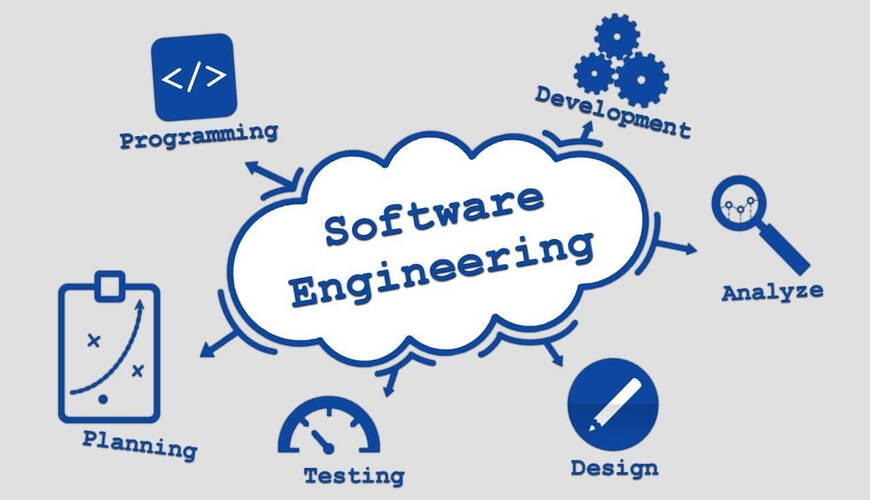
During this course, I’ve learned that software engineering is more than just creating web applications. While learning how to build web applications, I realized that ICS 314 is all about the deep details of software engineering concepts. Looking back, I’ll highlight at least three topics I’ve learned from this class: Open Source Software Development, Agile Project Management, and Design Patterns, to show how they apply to the larger filed of software engineerning.
Open Source Software Development
Open source development is all about making source code available to anyone so they can view, modify, and shre it. This was based on collaborating with others, which taught me the skills of fast problem skills and working with others as a team. In addition, I learned how to work on open-source projects by following community coding standards and contributing effectively.
This was just for web applications and making your own app, but it was an important collaboration project that go me to understand what its like working as a team with others on one thing. I worked with others in creating tools and platforms that benefit from thinking actual real world situation, such as inputs and updates to applications. By working with tools like Git and repositories, I’ve noticed how open-source practices make technology more accessible and allow members from a team who have different software levels to come together and create something that is accessibe, and allow us to tackle real-world situations.
Configuration Management
Configuration Management is the process of systematically handling changes to a system to maintain its integrity over time. It involves version control, tracking modifications, and ensuring consistency across software environments. In this course, we utilized tools like Git to manage source code, enabling teams to work collaboratively while minimizing conflicts and errors.
The principles of configuration management applies behind the skill web development. For example, in large-scale software projects like operating systems or embedded systems, configuration management ensures that different versions of the software are compatible and reliable. By learning these practices, I’ve gained skills to maintain order and control in any project that involves multiple contributors or complex dependencies.
vUser Interface Frameworks
User Interface Frameworks is the process of designing and building user interfaces by providing and using pre-built components and tools. During this course, I explored frameworks like Bootstrap, which allowed me to create responsive and visually appealing layouts efficiently.
The value of user interface frameworks extends beyond web development. For example, in mobile app development, frameworks like Flutter enable developers to build cross-platform applications with consistent design and performance. By learning how to utilize these frameworks, I’ve developed an understanding of how to create user-friendly interfaces that enhance the overall user experience. These skills are valuable in any context where human-computer interaction is essential, such as dashboard design for data visualization or interactive kiosks.
Conclusion
This course has taught me that software engineering involves much more than coding for the web. Open Source Software Development showed me the power of collaboration and transparency. Configuration Management taught me how to systematically manage changes and maintain integrity in software projects. User Interface Frameworks provided insights into creating intuitive and functional designs. Together, these concepts give me a strong foundation to approach software challenges across different fields. As I move forward, I’m confident these lessons will help me create meaningful, impactful solutions in any domain.